
Your Guide To The North West’s Hidden Historical Hotspots.
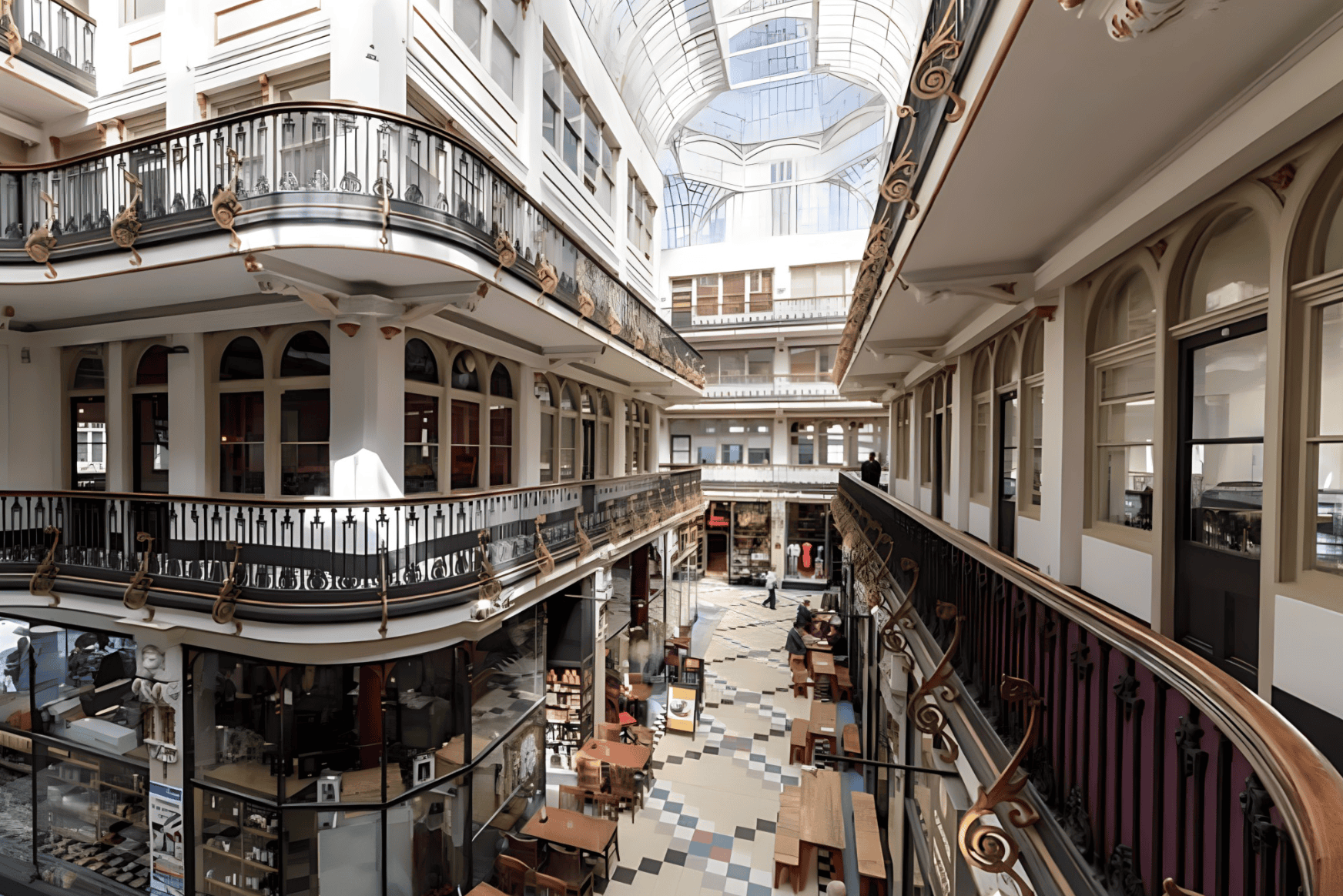
For many of us, Barton Arcade is a place to stop for a quick coffee in between shopping, a wild night out many moons ago, or where our dads go to get a new fancy haircut. But if you look up, one of Manchester’s finest surviving examples of Victorian architecture looms over the local shopping arcade.
Tucked between Deansgate and St Ann’s Square, Barton Arcade is a testament to the city’s industrial ambition, creative flair, and forward-thinking designs of its time. Completed in 1871 by the firm Corbett, Raby & Sawyer this magnificent structure signalled a turning point in Manchester’s evolution into a cosmopolitan centre of commerce and culture.
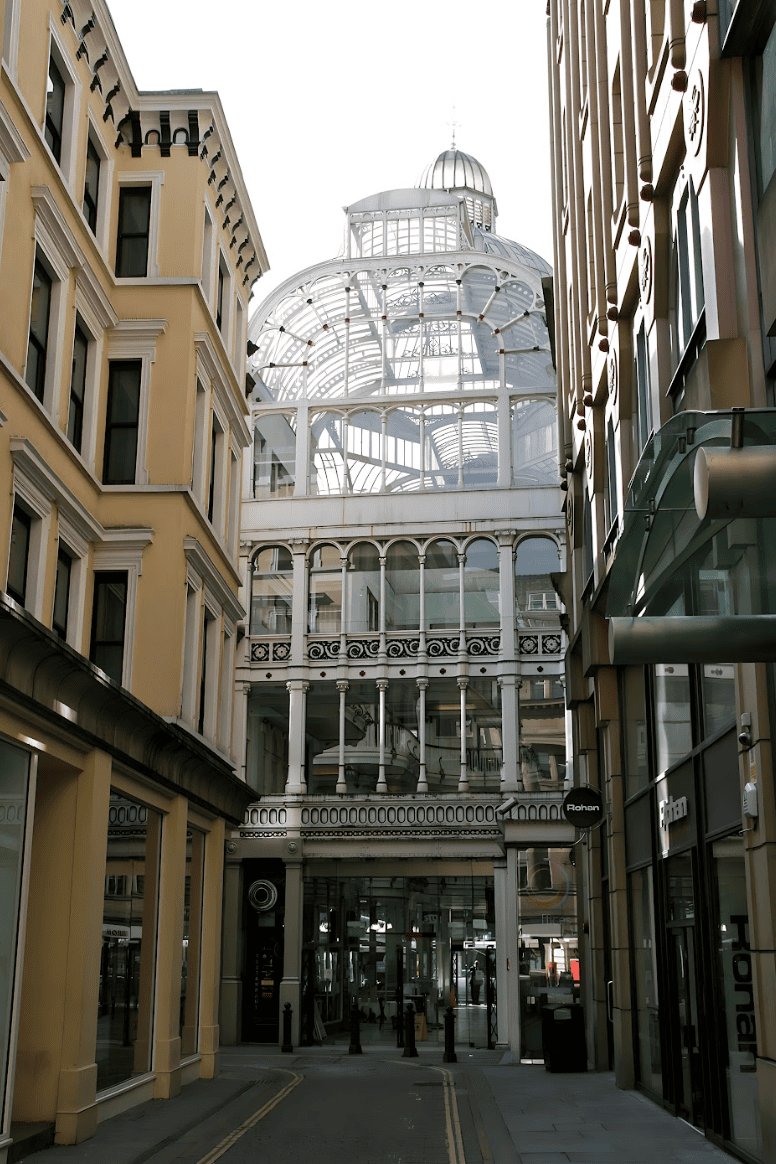
Inspired by iconic European destinations such as Milan’s Galleria Vittorio Emanuele II and Sir Joseph Paxton’s Crystal Palace, Barton Arcade stretches an impressive 226 feet wide and 53 feet tall under the striking glass and iron roof. Its creation was championed by the developer, John Hope Barton, whose name the arcade still bears.
From its earliest days, the arcade was aimed at Manchester’s growing middle class, with a particular appeal to women in search of a refined shopping environment. Among its earliest and most celebrated tenants was Stephenson’s Glass & Chinaware, a retailer known for elegant ceramics and fine household goods, which remained a fixture of the arcade for nearly 100 years, until 1967.
But Barton Arcade wasn’t just about retail, it also housed a fascinating mix of organisations and characters.
In the late 1870s, it was home to the Humane Society for the Hundred of Salford, which provided emergency rescue equipment for canal workers. By the 1880s, even a phrenologist, practising the art of reading skull shapes, set up shop here, adding a curiosity to the arcade’s social history.
World War Two was disastrous for Barton Arcade. The glass dome suffered damage during the Manchester Blitz in 1940, where much of the glass ceiling shattered by bombing raids. Though the structure itself remained intact, a series of modifications in the 1970s eroded some of its original features. In recognition of its architectural and historical significance, Barton Arcade was granted Grade II listed status in 1972, ensuring its preservation for future generations.
Later in the 1980s and 90s a major restoration project was granted to restore the arcade’s architectural grandeur, reviving its signature ironwork, galleries, and glass roofing, although some original ground-floor elements were lost. A grand reopening was hosted in 1990 by actress and activist Joanna Lumley.
By the early 20th century, the arcade had become more than a shopping destination, it was also a civic gathering space. In 1908, it hosted the founding meeting of the Catenian Association, a group for Catholic professionals that continues to this day.
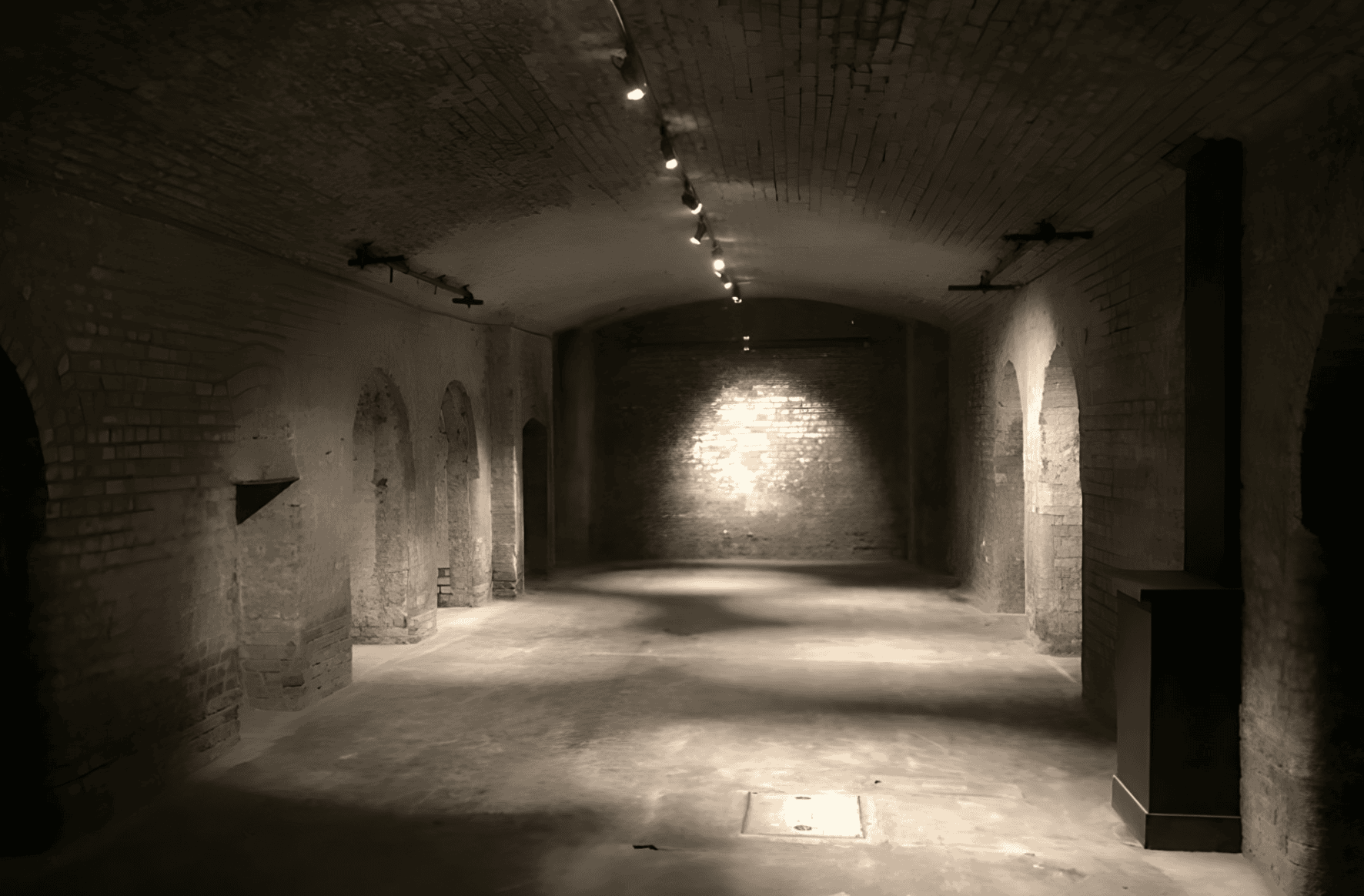
Today, Barton Arcade faces the same fate as many retail destinations. Rising costs for independent business owners has led to only a fraction of the arcade’s lots being occupied. Complex tunnels and the remains of an infamous clubbing hotspot – Circle, one of Manchester’s most exclusive private member’s clubs, opened in 2001 to footballers, celebrities and the wealthy just to close in 2013, after a 20 person fuelled brawl led to strict licensing from the council. Since then, brands and promoters such as Be at One and Brickworks had short stints before closing up shop, with the latter facing the many challenges of COVID-19.
Above ground, the few present businesses are thriving. At its heart is Pot Kettle Black, a brunch and coffee spot that has made full use of the arcade’s soaring glass atrium to create a serene, sun-drenched café space. Surrounding it is a small collection of independent shops and eateries.
Barton Arcade certainly needs a lot more love and attention to become the destination it once was. There is plenty of space for offices, venues and shops, and even an empty apartment on the top floor which opens onto a rooftop with unbeatable views of the city centre. What will be next for this historic landmark, I wonder?
Next time you visit the city, take a stroll beneath the glass canopy, or have a browse in one of the independent shops. Barton Arcade is more than just a building, it’s a living piece of Manchester’s forgotten past.
Basement image credit: Brickworks


