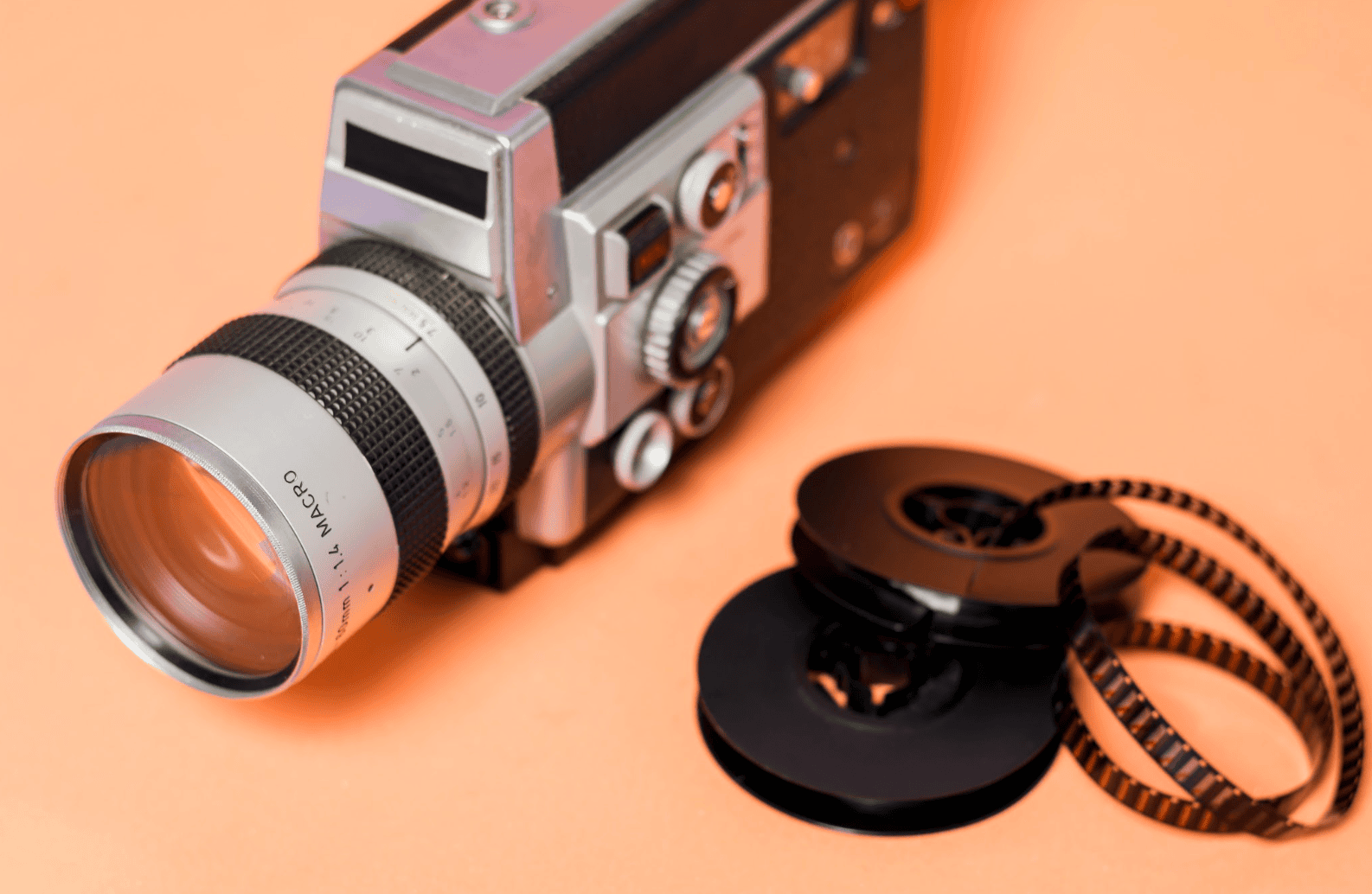
Retro camcorders are making an unexpected comeback at weddings and events this year, with party hosts preferring something less perfect and more personal.
Once considered outdated technology from the early 2000s, these handheld devices are now being embraced for the exact qualities they were once criticised for. Grainy footage and shaky zooms have become one of the biggest social media trends of 2026, with low resolution, timestamp overlays and imperfect visuals taking centre stage.
In a world dominated by polished smartphone videos and cinematic wedding films, retro camcorders offer something different – true authenticity. The appeal lies largely in nostalgia. Gen Z and young millennials are fascinated by the aesthetics of the late 1990s and early 2000s, an era many only remember faintly or experienced through old family videos. Retro camcorders recreate the feeling of childhood memories, giving events a warm, candid and personal atmosphere. The footage feels spontaneous rather than staged, capturing guests laughing, dancing and interacting naturally instead of posing for carefully directed shots.
Another reason for the popularity of retro camcorders? Cost and accessibility. Professional videographers can charge thousands of pounds for wedding coverage, including drone shots, cinematic editing and multiple camera angles. While many couples still value professional films, others prefer a cheaper and more relaxed alternative. Friends or family members can easily record moments on a camcorder throughout the day, producing hours of informal footage at little expense.
Ultimately, the rise of retro camcorders reflects a wider cultural shift. In an age of filters, perfection and carefully curated online identities, people are increasingly drawn to content that feels genuine.